Step-by-Step Guide to Minimalist Shine Strategies

Why The Minimalist Shine Matters for Modern Packaging in 2026
The Minimalist Shine: Modern Foil and Spot UV Strategies for 2026 represent the smartest way small and mid-sized brands can elevate packaging without blowing their budget on over-the-top decoration.
Here’s a quick answer if that’s all you need:
Minimalist Foil and Spot UV Strategies for 2026 — At a Glance:
| Strategy | Best For | Starting Cost (500 units) |
|---|---|---|
| Spot UV on matte base | Modern, subtle gloss contrast | ~€80-120 |
| Hot foil stamping (logo only) | Metallic prestige, luxury branding | ~€180-280 |
| Soft-touch + Spot UV combo | Tactile luxury, skincare/cosmetics | Mid-range |
| Strikethrough varnish | Integrated gloss-matte contrast | Low tooling cost |
| Foil + Spot UV layered | Premium multi-dimensional effect | Higher MOQ needed |
The core idea is simple: less shine, placed better, hits harder.
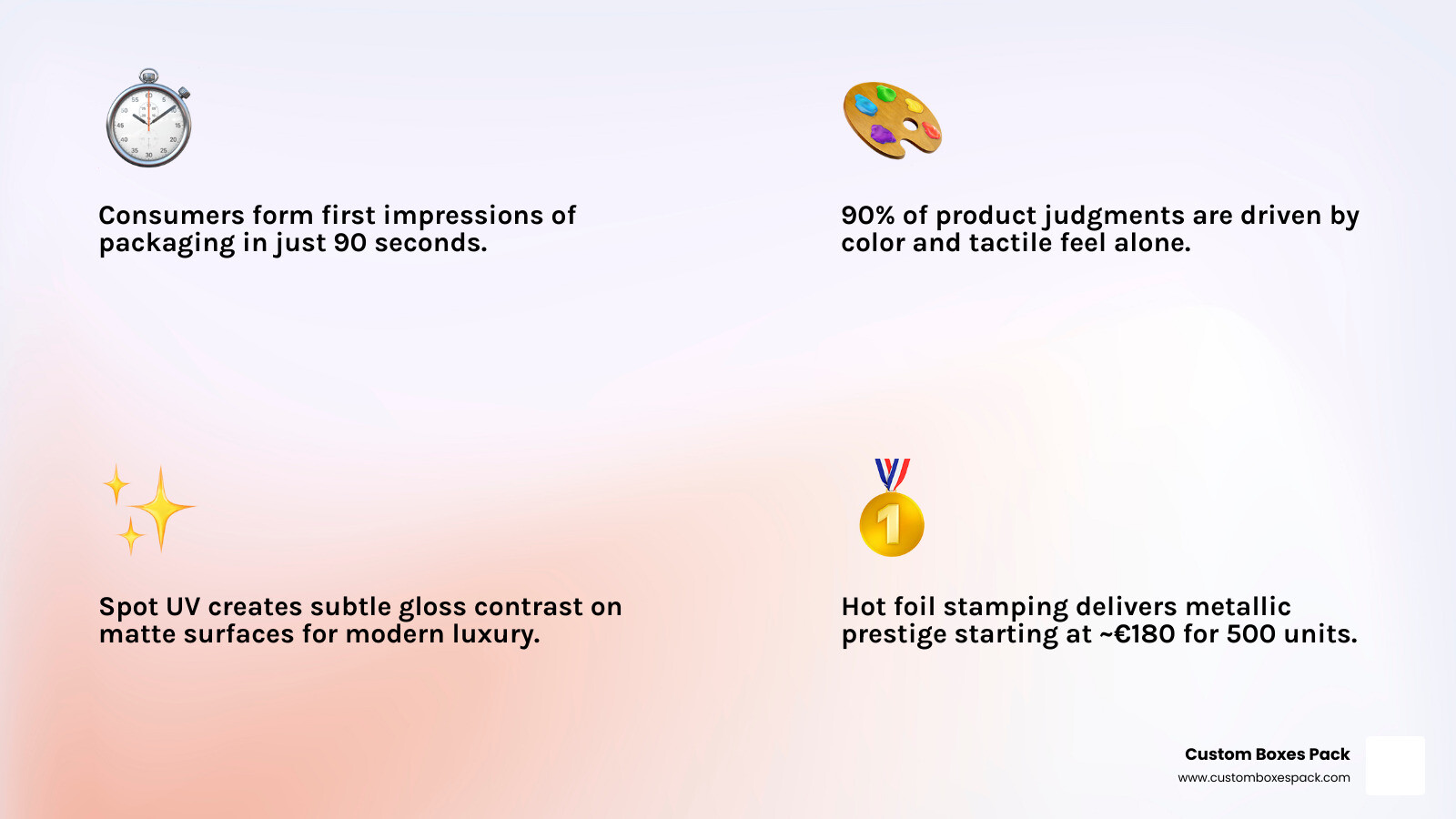
Research shows people form a first impression of a product within just 90 seconds — and up to 90% of that judgment is driven by color and touch alone. A single foil-stamped logo or a whisper of Spot UV on a matte surface can quietly communicate luxury, precision, and trust — without screaming for attention.
The 2026 trend isn’t about adding more. It’s about adding right.
I’m Adam John, a backlinking expert with deep experience in print packaging strategy and the emerging finish techniques shaping The Minimalist Shine: Modern Foil and Spot UV Strategies for 2026. In the sections below, I’ll walk you through every decision — from substrate selection to artwork prep — so your packaging punches above its price point.
The Minimalist Shine: Modern Foil and Spot UV Strategies for 2026 vocabulary:
The Minimalist Shine: Modern Foil and Spot UV Strategies for 2026
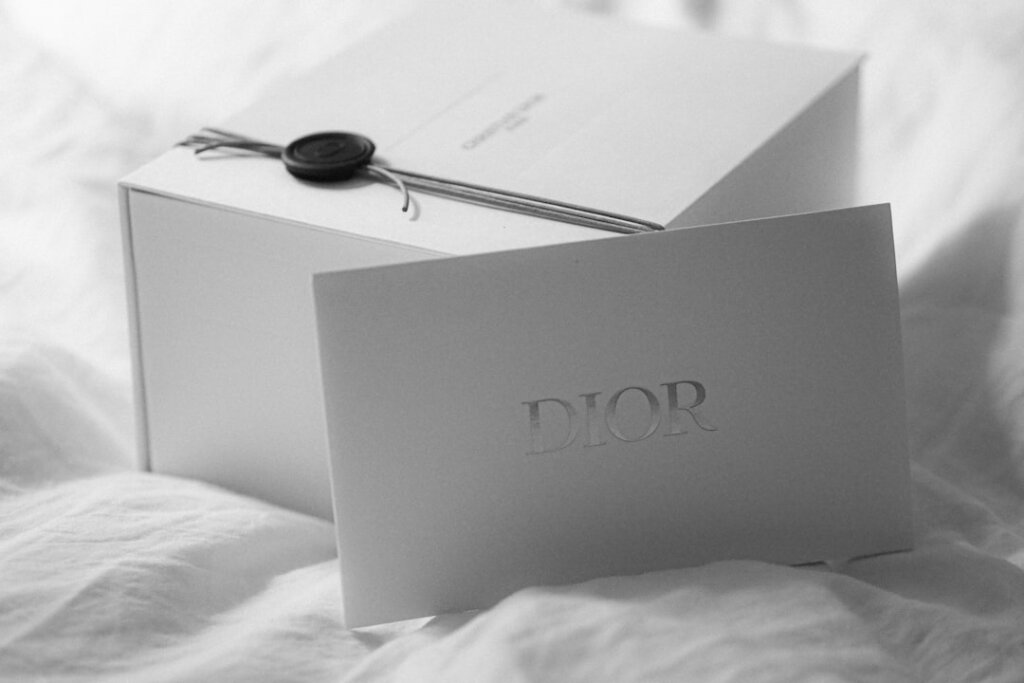
When we talk about “The Minimalist Shine,” we are moving away from the loud, holographic glitz of the early 2020s. In May 2026, the market has shifted toward “quiet luxury.” This is a design philosophy where reflective surfaces are used sparingly to tell a story of quality rather than one of flashiness. By using techniques like foil stamping and Spot UV, we can create a visual hierarchy that guides the consumer’s eye to the most important information—usually your logo or a key product benefit.
The psychological impact of these finishes cannot be overstated. Reflective surfaces are things human eyes are naturally wired to detect quickly. However, when that shine is paired with a matte background, it creates a “shadow” or watermark effect that rewards the customer for looking closer. This is why Spot UV vs Foil Emboss: The Ultimate Print Finishing Guide (2026) is such a critical resource for modern designers; it highlights how these tools serve as “brand ambassadors” that communicate value through haptics.
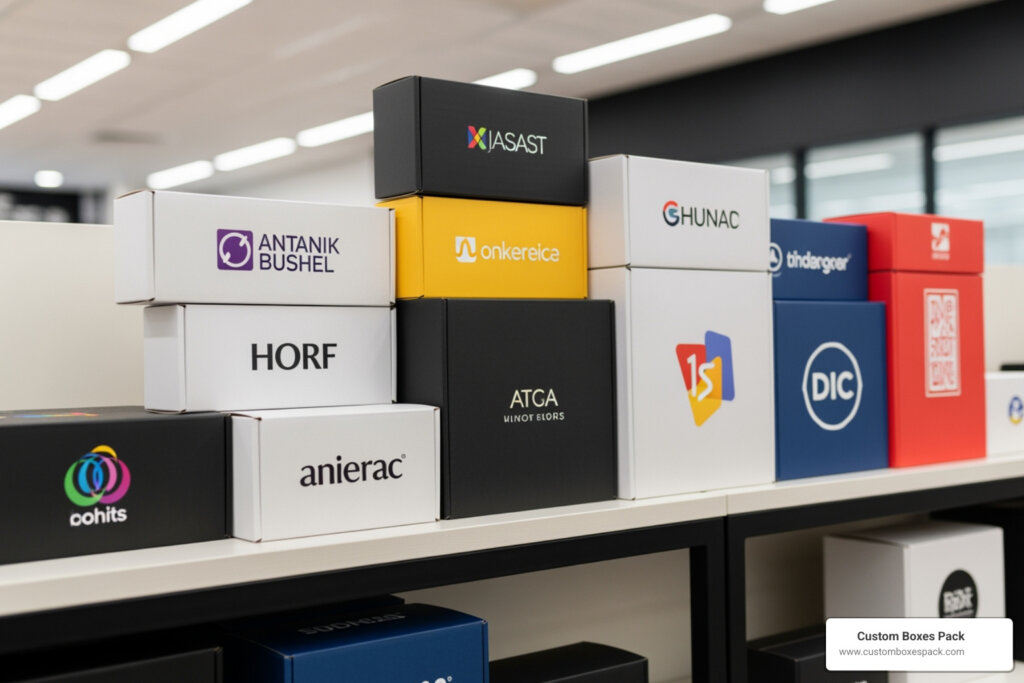
Whether you are looking for custom printed boxes for a new tech gadget or a boutique skincare line, the strategy remains the same: use shine to punctuate your design, not to dominate it.
Designing for The Minimalist Shine: Modern Foil and Spot UV Strategies for 2026
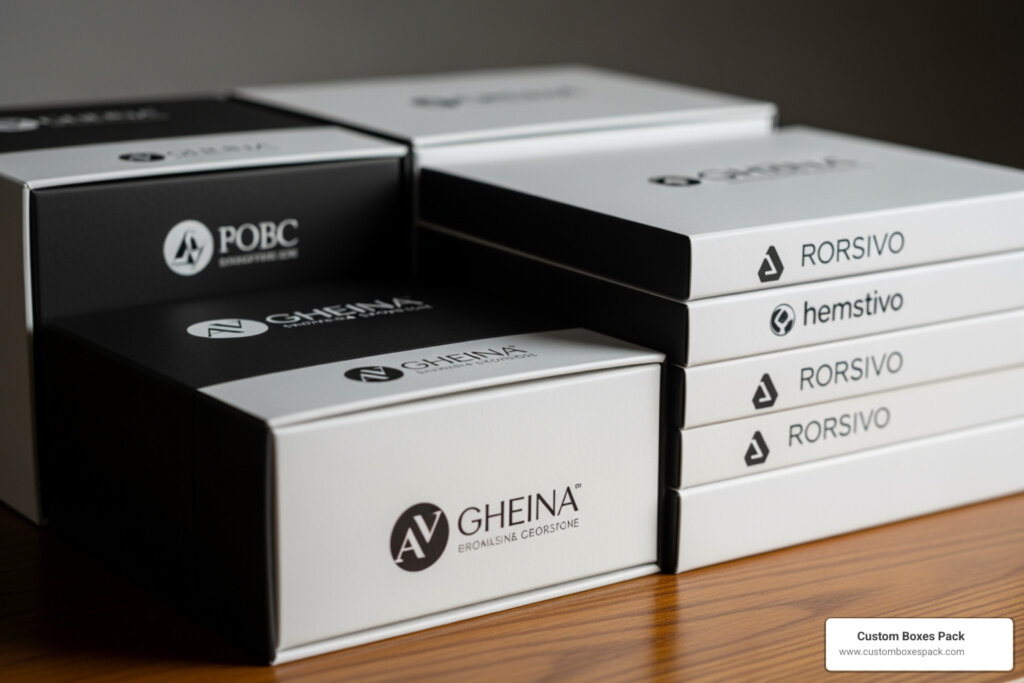
Designing for 2026 requires a “surgical” approach. Instead of a massive gold border, we might suggest a single 0.5pt foil line that runs along the edge of a box. This is what we call “typographic jewelry.” By applying metallic prestige to micro-typography, you create a sense of engineered precision.
For brands in the beauty space, printed cosmetic boxes often benefit from a “wet look” Spot UV applied only to a brand name or a small icon. This creates a high-contrast, multi-sensory experience that feels expensive but remains clean and modern. The goal is to make the consumer pause. That split-second pause as they feel the transition from a soft-touch matte surface to a raised, glossy UV logo is where brand loyalty begins.
Production Standards for The Minimalist Shine: Modern Foil and Spot UV Strategies for 2026
Executing these designs requires high technical standards. For minimalist shine, registration precision—how accurately the shine lines up with the printed ink—is everything. In 2026, we utilize two primary methods:
- Digital Spot UV: This is perfect for shorter runs (under 5,000 units). It uses a digital inkjet process to apply a clear resin that is cured instantly with UV light. It’s cost-effective because it requires no physical dies.
- Hot Foil Stamping: This traditional method uses heat, pressure, and a metal tooling die to fuse foil to the paper. It offers a mirror-like finish that digital methods can’t quite replicate.
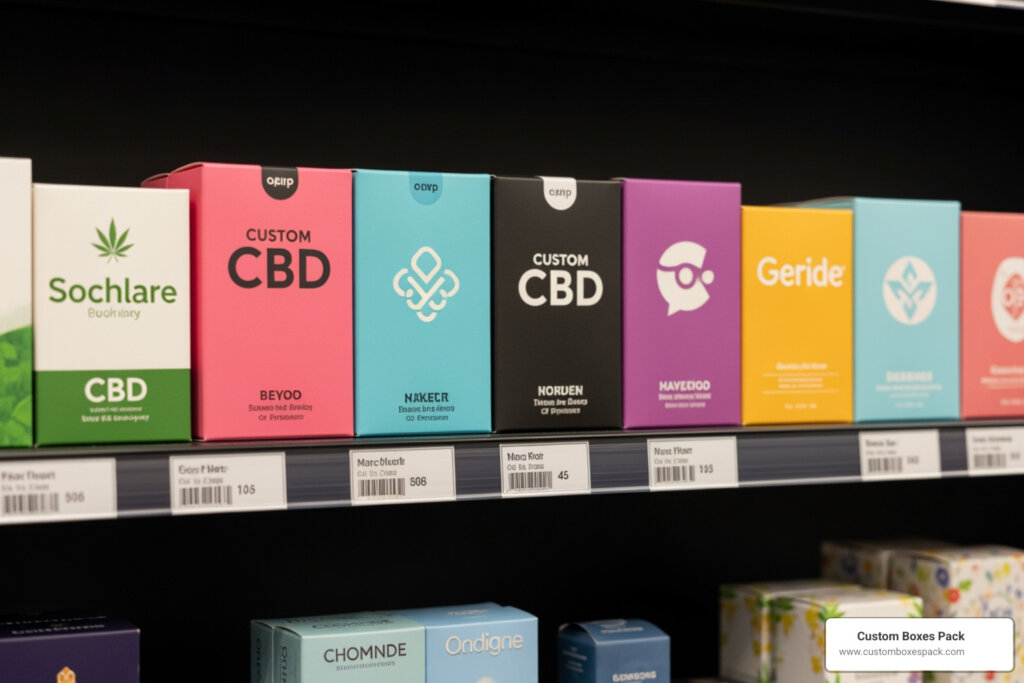
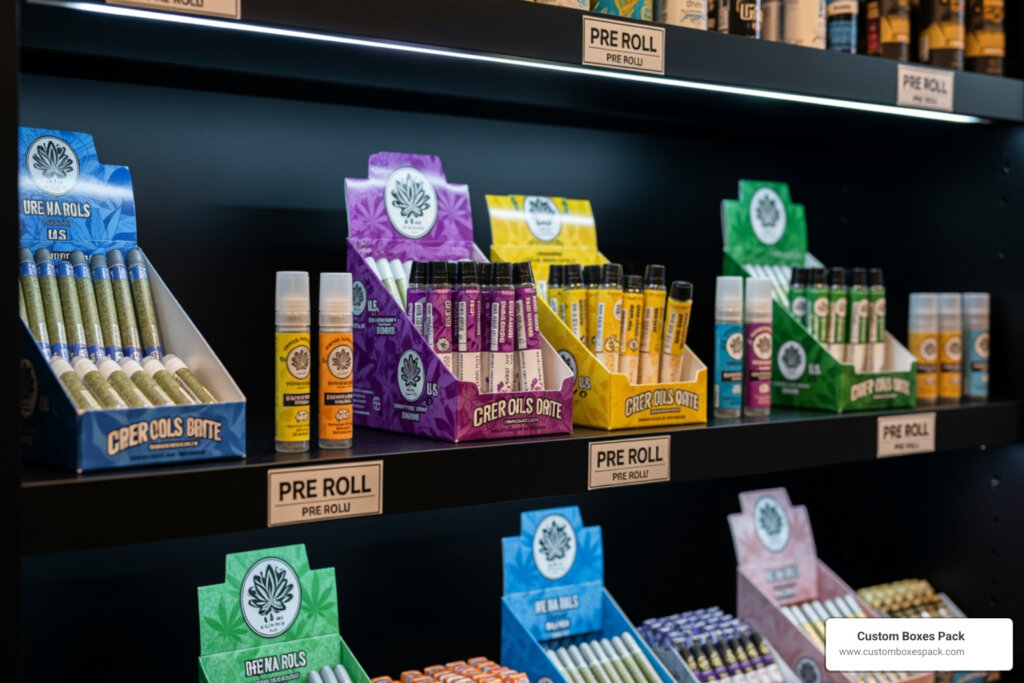
For specialized products like printed CBD oil boxes, we often recommend hot foil for the main logo because it creates a slight debossed effect, adding a tactile depth that signals “premium” to the customer immediately.
Technical Design Principles for Subtle Luxury
Achieving a minimalist look isn’t just about using less; it’s about the technical precision of the application. One of the most sophisticated techniques emerging in 2026 is the use of “strikethrough varnish.” This involves applying a gloss coating selectively over a matte background in a single in-line process. It’s more integrated and subtle than traditional Spot UV, making it perfect for brands that want to whisper rather than shout.
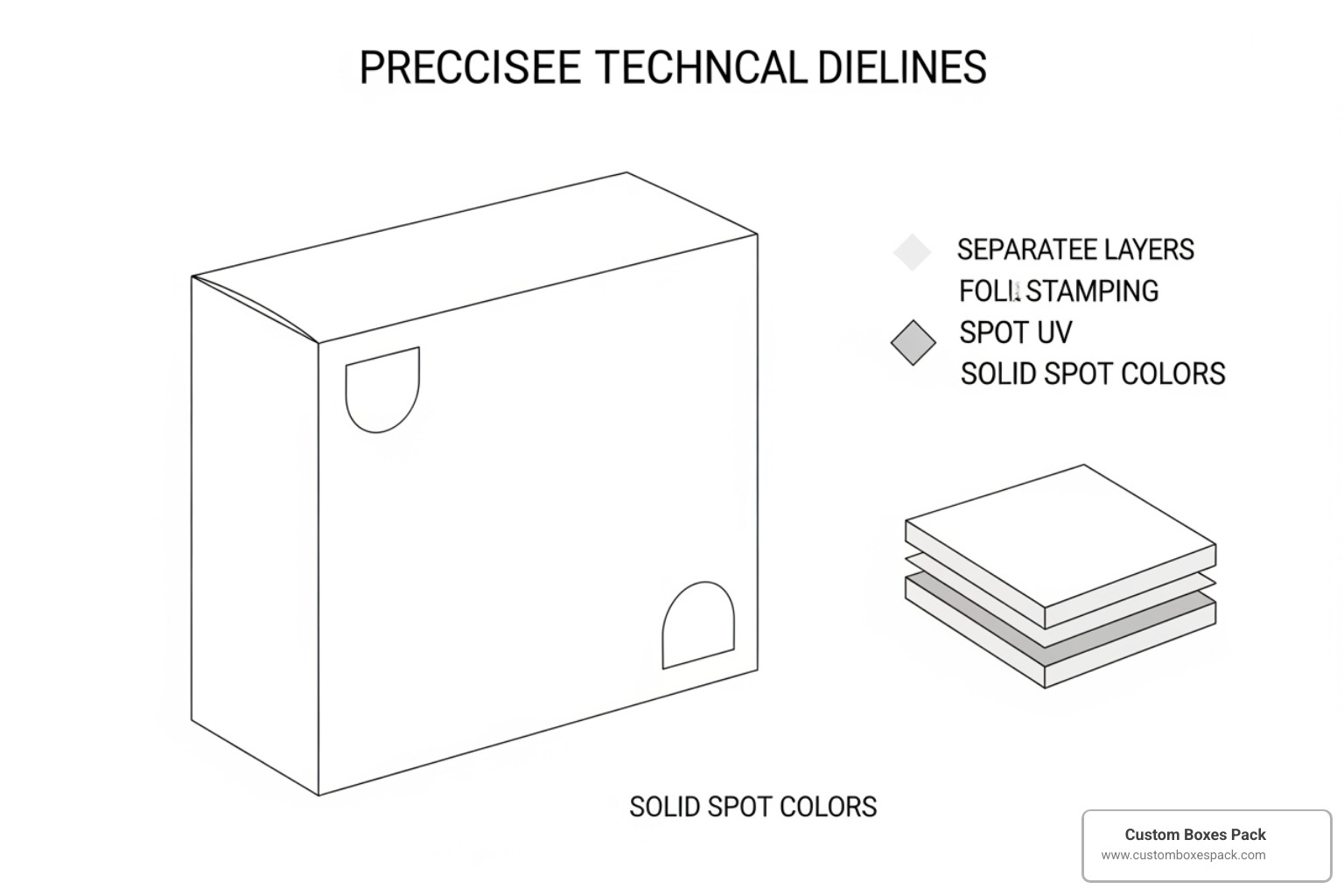
When preparing your files, you must use vector data. Raster images (like JPEGs) will result in jagged edges that ruin the minimalist aesthetic. We always look for 100% solid spot colors on a separate layer to indicate exactly where the finish should be applied. As noted in Print Finishing Options: Spot UV, Foiling & Die-Cut, balancing creativity with clarity is the key to ensuring the finish enhances the message rather than distracting from it.
Avoiding Common Design Mistakes
The most common mistake we see is “over-processing.” This happens when a designer tries to use too many finishes at once—like a foil logo, on a Spot UV pattern, on an embossed texture. In 2026, the “less is more” rule is king.
Other technical pitfalls include:
- Insufficient Contrast: Applying Spot UV to a white or light-colored background makes it nearly invisible. It works best on dark, matte surfaces.
- Fine Detail Bleeding: For Spot UV, lines should be at least 0.5mm thick. For foil, we recommend at least 1mm to avoid “bridging,” where the foil fills in the gaps of small letters.
- Stock Mismatch: For example, when designing printed hemp boxes, using Spot UV on raw, uncoated kraft paper is a mistake because the paper will simply absorb the resin, leaving a dull smudge instead of a shine.
Preparing Artwork and Dielines
To get the best results, your artwork needs to be “press-ready.” This means using Adobe Illustrator and creating a dedicated layer for your finish. Label this layer clearly as “Foil” or “Spot UV.” Use a high-contrast spot color (like 100% Magenta) that isn’t used anywhere else in the design.
For custom printed die cut boxes, ensure your foil or UV elements are at least 3mm away from any fold lines or die-cut edges. This prevents the finish from cracking or peeling when the box is assembled.
Material Selection and Sustainability in 2026
In May 2026, you cannot talk about luxury without talking about the planet. Modern consumers demand that “The Minimalist Shine” be an eco-friendly one. This has led to the rise of recyclable foils and aqueous-based coatings. Traditional plastic-based laminations are being replaced by bio-based resins that offer the same high-gloss impact without the environmental footprint.
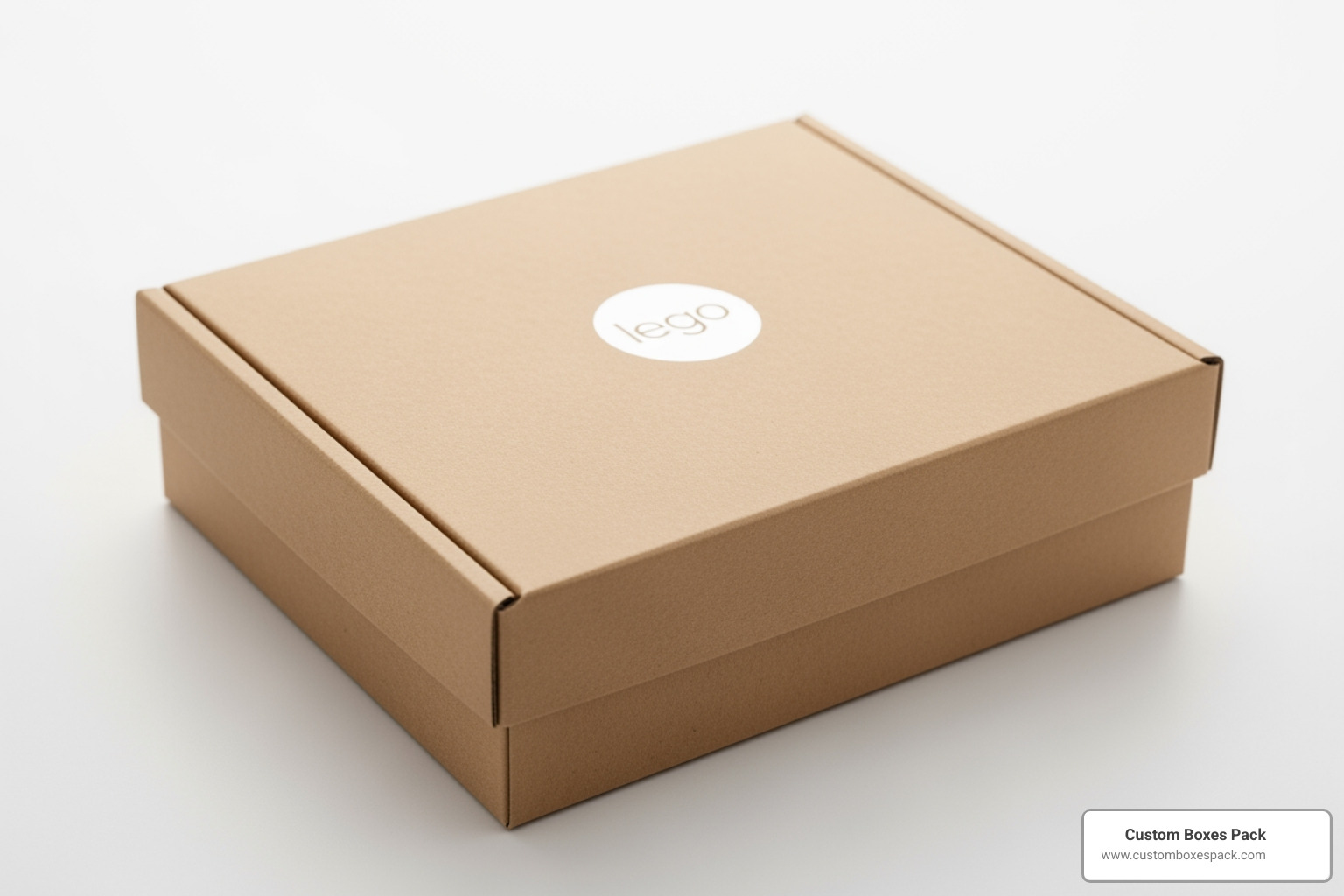
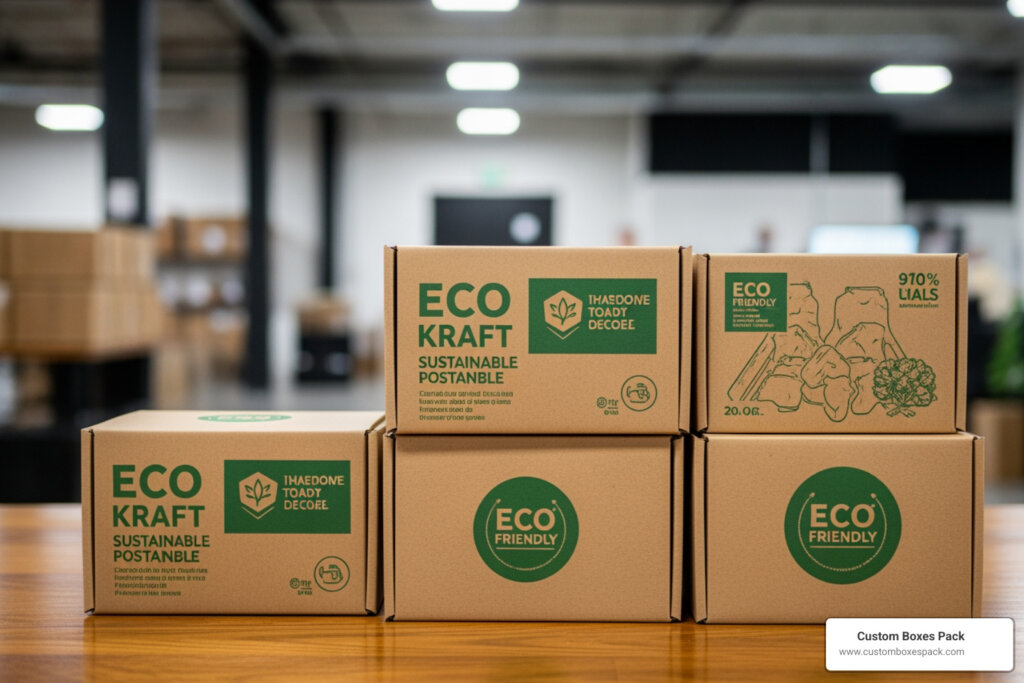
We are seeing a massive trend in pairing these high-end finishes with humble materials. For instance, a custom kraft retail boxes application using a white foil stamp creates a stunning, clean look that is 100% recyclable. According to the Innovative Coatings and Finishes for Cosmetic Boxes 2026 – Print247 report, sustainability is now a central pillar of packaging design, with water-based coatings becoming the industry standard.
Emerging Innovations in 2026 Finishes
The “smart” side of finishes is also growing. We are now seeing:
- Antimicrobial Coatings: These can reduce germs on the surface of a box by 99.9%, which is a huge selling point for health and wellness brands.
- Low-Cure Inks: These require significantly less energy to dry, reducing the overall carbon footprint of the production run.
- Temperature-Sensitive Finishes: Imagine a Spot UV pattern that changes color when the customer touches it—integrating haptics and thermal technology.
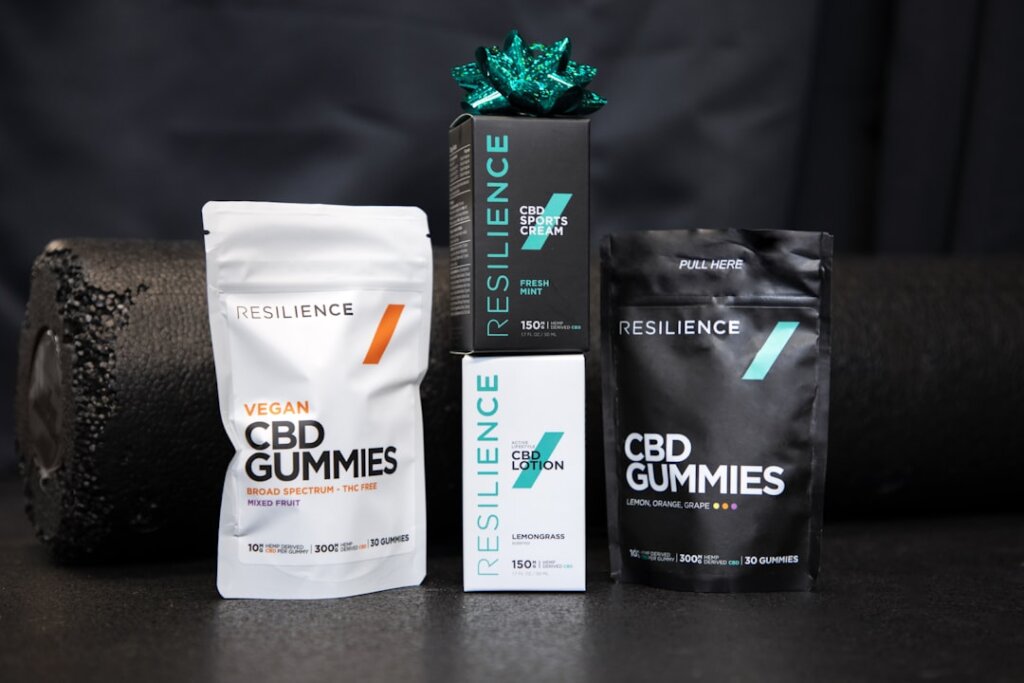
These innovations allow brands to add functional value to their printed CBD boxes while maintaining a minimalist aesthetic.
Substrate Compatibility and Performance
Not all paper is created equal. If you want a sharp, mirror-like foil, you need a smooth, dense substrate. If you are using recycled board, we often apply a “primer” or a matte lamination first. This seals the porous surface of the paper, ensuring the Spot UV or foil sits on top rather than sinking in. Adhesion testing is a standard part of our quality control to ensure your minimalist shine doesn’t flake off before it reaches the customer.
Production Logistics: Costs, Durability, and MOQs
Understanding the business side of The Minimalist Shine: Modern Foil and Spot UV Strategies for 2026 is vital for staying profitable. While premium finishes can increase a company’s perceived value by up to 400%, they do come with upfront costs.
| Metric | Spot UV | Foil Stamping |
|---|---|---|
| Tooling Fee | $0 (Digital) | $120 – $300 (Metal Die) |
| Setup Time | Fast (1-2 days) | Slower (3-5 days for die) |
| Best Volume | Under 5,000 units | Over 10,000 units |
| Durability | High (Abrasion resistant) | Moderate (Can flake with friction) |
| Recyclability | Moderate (Bio-resins preferred) | High (with recyclable foils) |
As discussed in Beyond The Surface: Modern Print Finishes | Bopi IL, choosing the right finish depends on your specific use case. For example, e-commerce brands need to worry about “shipping abrasion.” Foil can sometimes micro-flake if it rubs against the inside of a shipping mailer for 2,000 miles.
Choosing Between Foil and Spot UV
If you are a startup doing a small test run of 500 units, Spot UV is almost always the winner. It saves roughly 35% on costs compared to foil because you don’t have to pay for a custom metal die. This makes it ideal for custom logo printed pizza boxes or limited-edition runs where speed is more important than metallic reflectivity.
However, for high-volume luxury items, the cost of the metal die for foil stamping becomes negligible when spread across 20,000 units. In those cases, the “prestige” of real metallic foil is hard to beat.
Performance Metrics for 2026 Manufacturing
In our USA-based facilities, we track several metrics to ensure quality:
- Lead Times: Spot UV typically adds 1-2 days to production, while foil adds 3-4 days.
- MOQ: We offer a low MOQ of 100 units, making these high-end finishes accessible to smaller brands.
- Rub Tests: We perform “vibration table” simulations to ensure that the shine on your custom printed pillow boxes survives the rigors of the USPS or FedEx delivery cycle.
Frequently Asked Questions about Minimalist Finishes
Can I use Spot UV on recycled Kraft paper?
Technically, yes, but we don’t recommend it without a primer. Raw Kraft paper is very porous and will “drink” the UV resin. For the best minimalist shine on Kraft, we suggest using a foil stamp or applying a matte aqueous coating first to seal the fibers.
How do I prevent foil from flaking during shipping?
Foil is more delicate than UV. To protect it, we can use a “recessed debossing” technique where the foiled logo is pressed slightly into the paper. This keeps the foil below the surface level, protecting it from rubbing against other boxes during transit.
What is the minimum line weight for foil in 2026?
For the sharpest minimalist look, we recommend a minimum line weight of 1pt (about 0.35mm). While some machines can go thinner, 1pt ensures that the foil doesn’t “fill in” or “bridge” during the high-heat application process, keeping your micro-typography legible.
Conclusion
At Custom Boxes Pack, we believe that every brand deserves a touch of luxury. By mastering The Minimalist Shine: Modern Foil and Spot UV Strategies for 2026, you can create packaging that not only protects your product but also builds an emotional connection with your customer.
With our USA-based manufacturing in Trenton, NJ, we offer fully customizable sizes, low MOQs of just 100 units, and free design services to help you nail that perfect “surgical” placement of shine. Whether you’re looking for eco-friendly materials or the latest in antimicrobial coatings, our team is here to ensure your brand stands out in the 90 seconds that matter most.
Ready to elevate your brand with a Step-by-Step Guide to Minimalist Shine Strategies? Let’s build something beautiful together.