How to Design Sturdy Retail Display Boxes the Right Way

Why Structural Secrets for Designing Sturdy, High-Impact Retail Display Boxes Matter More Than You Think
The Structural Secrets: Designing Sturdy, High-Impact Retail Display Boxes that separate winning brands from wasted floor space come down to a handful of engineering decisions most businesses overlook.
Here’s a quick answer if you need it fast:
How to design sturdy, high-impact retail display boxes:
- Use the right board grade — 200# corrugated with 32 ECT minimum for heavy products
- Match flute profile to load — B or C-flute for heavier items, E-flute for smooth printing on lighter goods
- Reinforce stress points — shelf lips, internal braces, and double-wall shelving prevent sagging
- Distribute weight evenly — interlocking dividers and wide bases stop tipping and grid drift
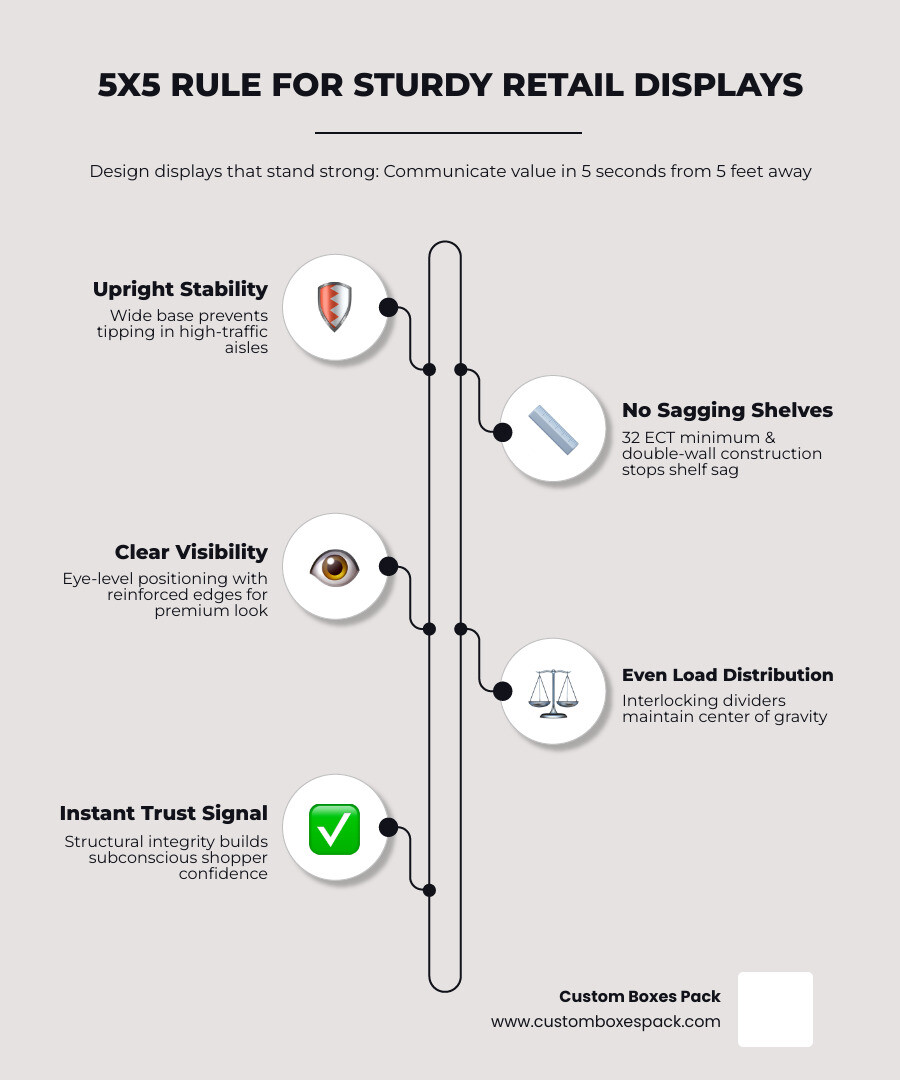
- Design for the 5×5 Rule — your display must communicate value in 5 seconds from 5 feet away
- Build for transit AND retail — ship-and-display construction protects the box en route and looks great on the floor
Over 70% of consumer purchase decisions happen at the point of sale. Shoppers decide in seconds. If your display sags, leans, or collapses mid-promotion, that sale is gone — and so is your brand credibility.
A flimsy display doesn’t just fail structurally. It signals low quality to every shopper who walks past. As one industry insight puts it: slight shelf sag or softened edges communicate low quality subconsciously, even before a customer reads a single word on the box.
In 2026, with retail floor space tighter and sustainability expectations higher, small and medium brands can’t afford to guess at structural design. Getting it right the first time means fewer replacements, stronger shelf presence, and more impulse buys.
I’m Adam John, a backlinking and packaging content expert who has spent years researching the Structural Secrets: Designing Sturdy, High-Impact Retail Display Boxes that brands use to dominate retail shelves. In this guide, I’ll walk you through every engineering decision — from flute selection to divider systems — so your next display works as hard as your product does.
Structural Secrets: Designing Sturdy, High-Impact Retail Display Boxes word list:
Engineering the Core: Structural Secrets: Designing Sturdy, High-Impact Retail Display Boxes
When we talk about Structural Secrets: Designing Sturdy, High-Impact Retail Display Boxes, we aren’t just talking about “thick cardboard.” We are talking about engineering. A display box is a bridge between your product and the customer, and like any bridge, it must manage weight effectively.
Understanding Load Paths
In structural concepts, a load path is the direction in which weight travels through a structure to the floor. In a retail display, the weight of your products shouldn’t just sit on the shelf; it should be transferred through the side panels (the “uprights”) and down to the base.
If the load path is interrupted—say, by a shelf that isn’t properly locked into the side walls—the shelf will “smile” (sag in the middle). This doesn’t just look sad; it can cause products to fall or the entire unit to lean. We recommend using Custom Cardboard Display Boxes that utilize integrated sidewall connections to ensure the weight is distributed evenly.
Flute Profiles: Choosing the Right Thickness
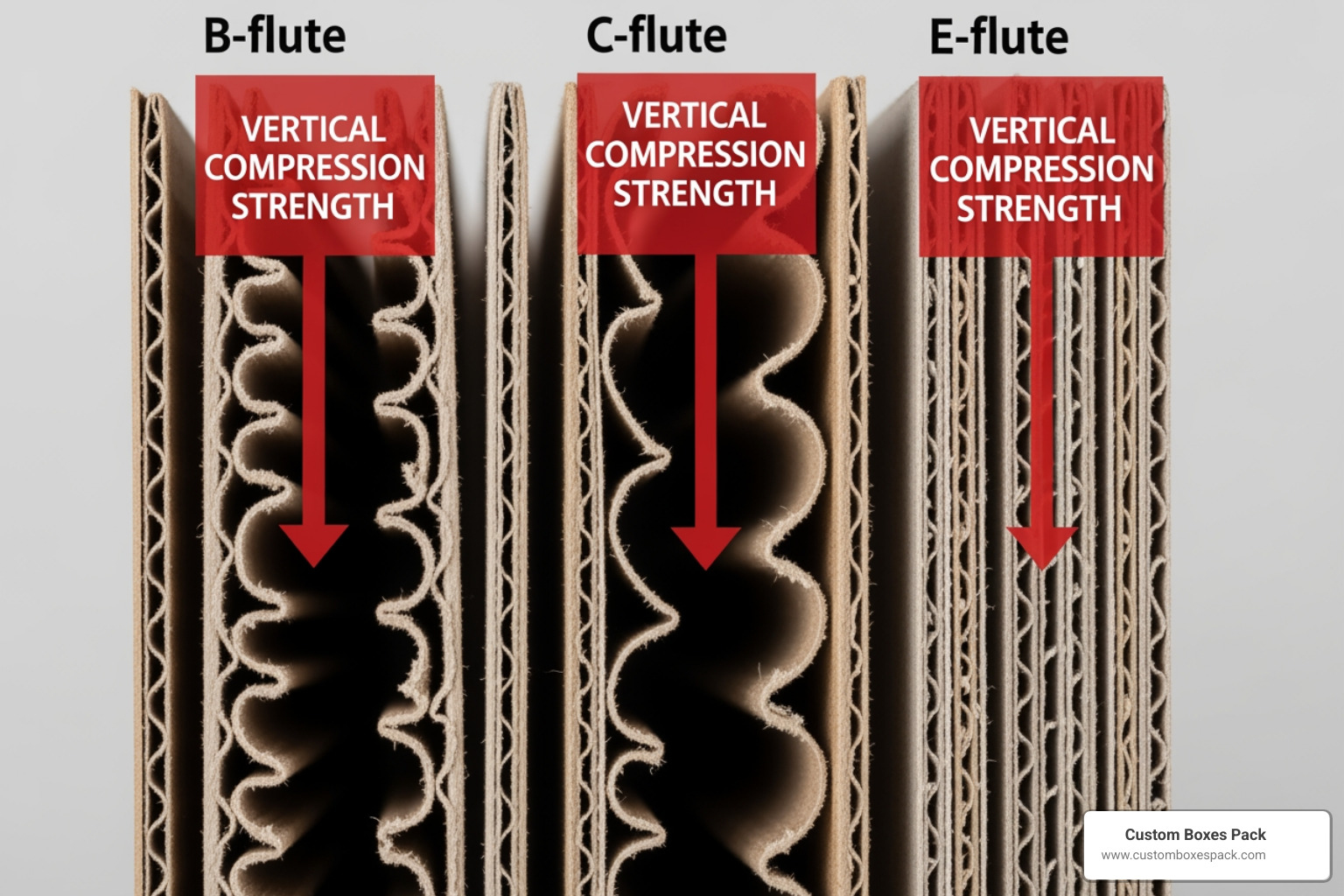
The “flute” is the wavy layer between the flat liners of corrugated cardboard. Choosing the right one is one of the biggest Structural Secrets: Designing Sturdy, High-Impact Retail Display Boxes.
- B-Flute: The industry standard for retail. It offers excellent crush resistance and a good printing surface.
- C-Flute: Slightly thicker than B, offering better compression strength for stacking but a slightly bumpier surface for high-end graphics.
- E-Flute: Very thin and dense. This is perfect for Custom Vape Display Boxes or Lip Balm Display Boxes where you need a super-smooth surface for detailed branding but don’t have massive weight requirements.
Technical Specs: 200# Corrugated vs. 32 ECT
In May 2026, we still see brands confused by these two ratings.
- 200# Mullen Test: Measures the force required to burst the board. This is great for protection during rough handling.
- 32 ECT: Measures how much top-to-bottom pressure the box can handle before buckling.
For floor displays that will be stacked or carry heavy liquids, 32 ECT is the magic number. It ensures your display maintains a professional appearance for months without sagging under the weight of the stock.
Material Selection and Shelf Integration for Maximum Durability
Choosing the right material is a balancing act between cost, aesthetics, and physics. At Custom Boxes Pack, we help brands navigate these choices to find the perfect fit for their specific retail environment.
Choosing Between Corrugated, SBS, and Kraft Paperboard
- GSM Selection: For smaller Small Counter Display Boxes, we typically use paperboard between 250-400 GSM. If you’re selling lightweight items like Candy Display Boxes, 300 GSM is usually plenty. For heavier items like glass jars of CBD, we bump that up to 400 GSM or switch to corrugated.
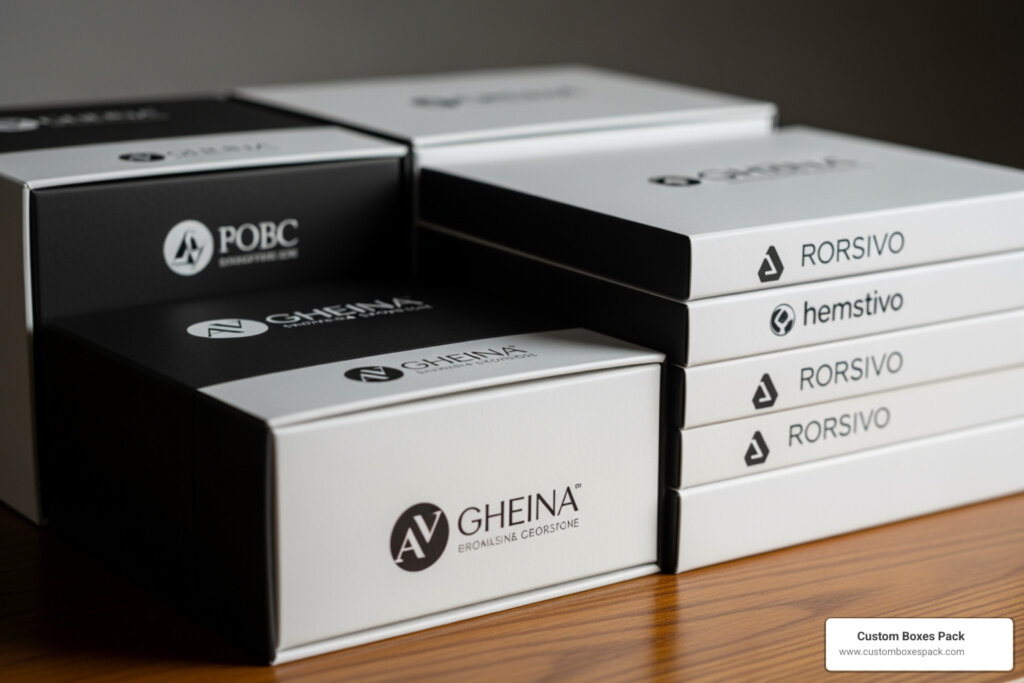
- SBS (Solid Bleached Sulfate): This is the “luxury” choice. It’s bright white, smooth, and rigid. It’s what you see in high-end cosmetic aisles. It offers incredible clarity for 4-color printing.
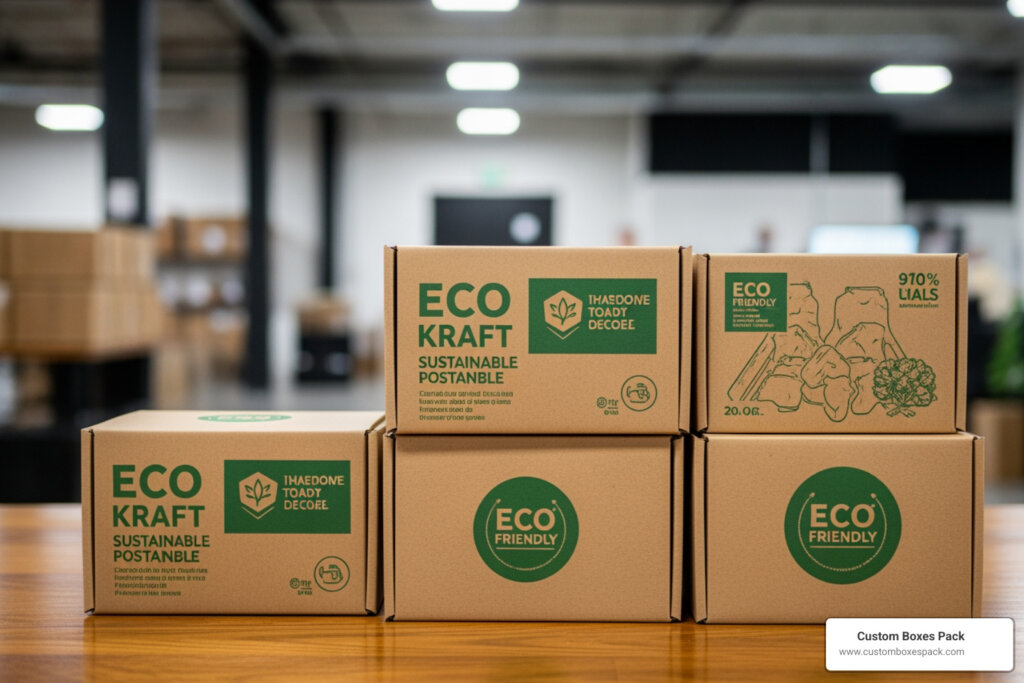
- Kraft Display Boxes: These are the eco-friendly champions. Made from recycled fibers, they offer a rustic, organic look that shoppers in 2026 absolutely love. They are surprisingly strong due to the long fibers used in the pulping process.
Structural Secrets: Designing Sturdy, High-Impact Retail Display Boxes through Smart Folding
How you fold the box matters as much as what it’s made of.
- Reinforced Edges: By “rolling” the edges of the cardboard, we create a double-layered thickness at the points where shoppers touch the display. This prevents paper cuts and keeps the display from looking “fuzzy” or worn out after a week of use.
- Double-Wall Shelving: For heavy products, a single layer of cardboard will always fail eventually. We design Double Wall with Display Lid boxes that use two layers of corrugated board for the base and shelves, providing a 2x increase in weight capacity without a 2x increase in cost.
- Die-Cut Supports: Internal bracing is the “secret sauce.” By adding small, unprinted die-cut inserts under the shelves, we create pillars that support the center of the shelf, effectively eliminating “shelf-smile.”
Optimizing for Retail Environments: FSDUs and Pallet Displays
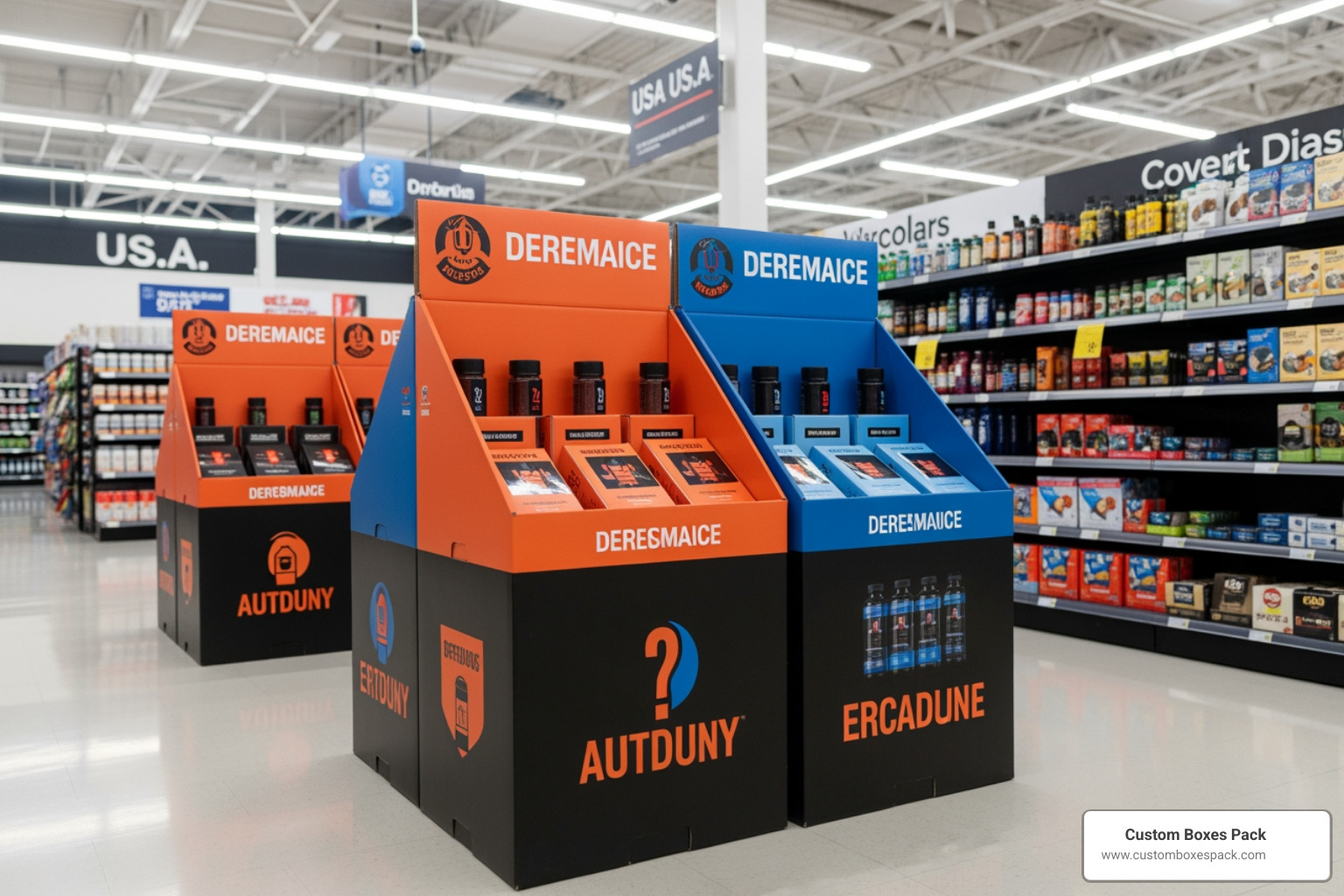
Free-Standing Display Units (FSDUs) and Pallet Displays are the heavy hitters of the retail world. Whether you are in a local boutique in Trenton, NJ, or a massive big-box store, these units need to be “shoppable.”
The 5×5 Rule and Three-Side Shoppability
The 5×5 Rule is a pillar of retail success: your display must communicate what the product is and why the shopper wants it in 5 seconds from 5 feet away.
If your structural design is too complex—with too many “wings” or headers that block the product—you fail the 5×5 rule. Furthermore, in large club stores, “three-side shoppability” is essential. Pallets are often placed in high-traffic intersections where shoppers approach from the front, left, or right. If your display only looks good from the front, you’re losing 66% of your potential engagement.
Structural Secrets: Designing Sturdy, High-Impact Retail Display Boxes for High-Traffic Zones
- Eye-Level Positioning: We aim to place the “hero” product between 3.5 and 5 feet high. To do this while keeping the unit stable, we design displays with a wider base than the top. This lowers the center of gravity and prevents the unit from tipping if a shopping cart bumps into it.
- Facing Counts: It’s tempting to cram as many products as possible onto a shelf. However, over-filling leads to structural strain. We use shopper insights to find the “sweet spot”—usually 6 to 12 facings—to maximize visibility without causing the cardboard to buckle.
- Impulse Purchase Psychology: A sturdy display feels premium. When a shopper reaches for a product and the display doesn’t wobble, it builds trust in the brand. Flimsy displays feel like “clearance” items; sturdy displays feel like “featured” items.
Advanced Load Distribution and Assembly Logistics
There is nothing more frustrating for a retailer than a display that is difficult to put together or collapses under real-world use.
Divider Systems and Preventing Structural Sag
One of our favorite Structural Secrets: Designing Sturdy, High-Impact Retail Display Boxes is the use of interlocking ladders. These are internal corrugated dividers that lock into both the front and back of the tray.
- Preventing Grid Drift: Without dividers, products tend to slide around, especially as the display gets emptied. This “grid drift” shifts the weight to one side, which can cause the whole unit to lean.
- Load Distribution: Dividers act like mini-pillars. If you have a tray of Custom E-Juice Display Boxes, the dividers ensure that the weight of the bottles is spread across the entire bottom surface of the tray, rather than concentrating it in the middle.
Balancing Flat-Pack Efficiency with In-Store Compliance
Shipping air is expensive. That’s why most brands prefer flat-pack displays. However, if the assembly is too hard, store employees might just throw the display in the bailer.
- Auto-Bottom Bases: These are a lifesaver. You simply “pop” the box open, and the bottom locks into place automatically. It’s fast, sturdy, and nearly impossible to mess up. Check out our Auto Bottom with Display Lid for the ultimate in speed.
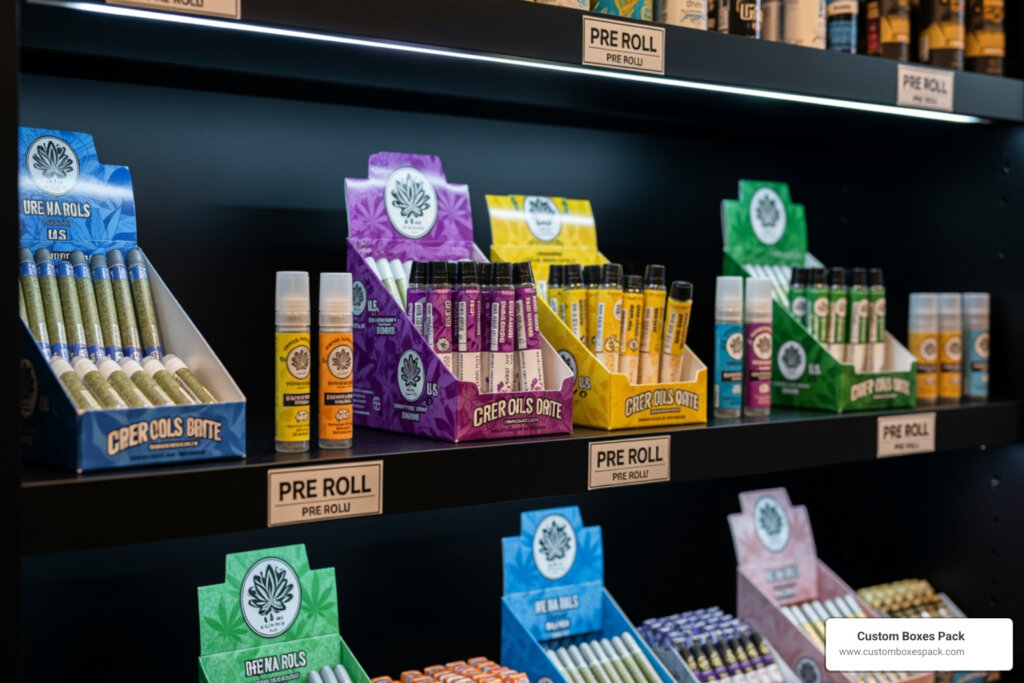
- 1-2-3 Bottom: Also known as “snap-lock” bottoms. These are more cost-effective than auto-bottoms and are perfect for lighter items like Cannabis Counter Display Boxes.
- Shipping Shrouds: To ensure your display arrives in pristine condition, we often design a “shipping shroud”—a plain outer box that fits perfectly over the assembled, pre-filled display. The retailer just lifts the shroud off, and the display is ready to shop.
Sustainability and Visual Impact in 2026 Retail
As we move through 2026, sustainability is no longer an “extra”—it’s a requirement. Shoppers are actively looking for brands that reduce their plastic footprint.
Eco-Friendly Materials and Inks
At Custom Boxes Pack, we use 100% recyclable corrugated board and soy-based inks. This ensures that when the promotion is over, the entire display can go straight into the recycling bin. We avoid heavy laminates that make cardboard unrecyclable, instead opting for aqueous (water-based) coatings that provide a high-gloss finish without the environmental guilt.
Perforation and Conversion Efficiency
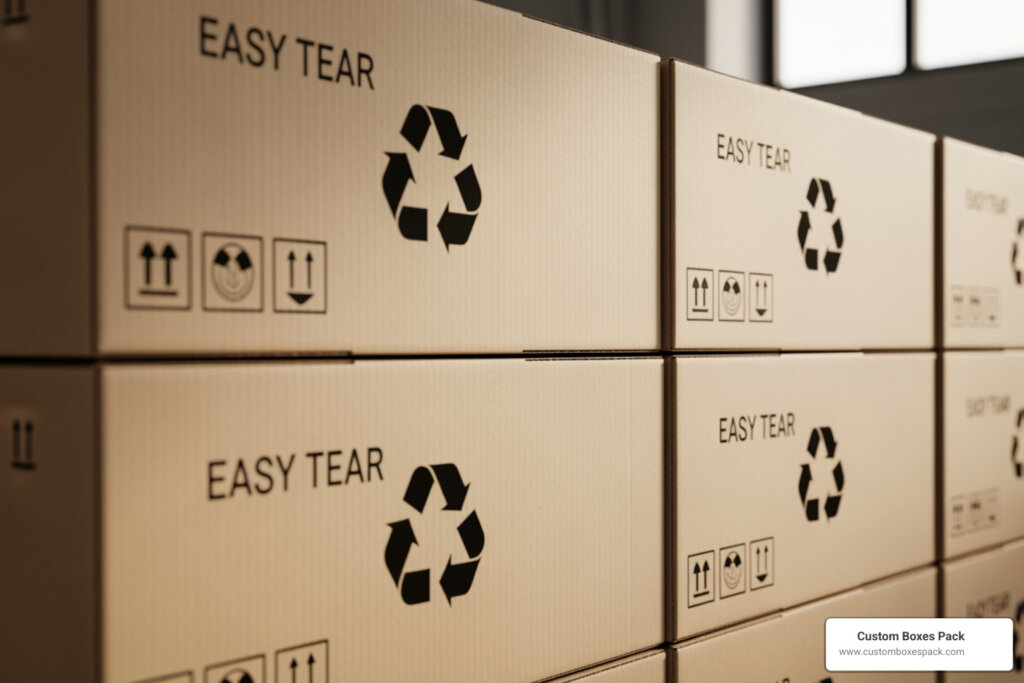
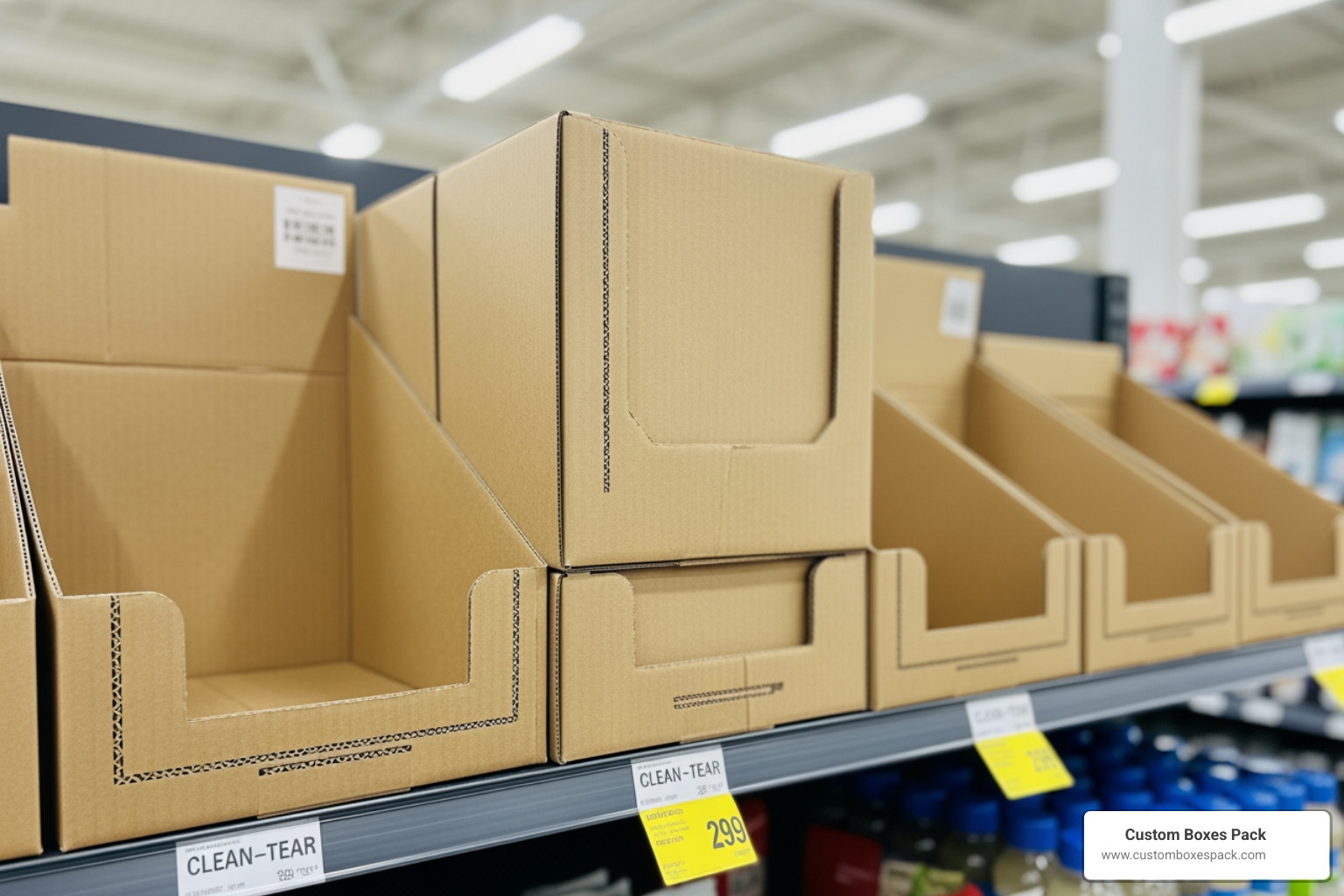
A “high-impact” display often starts its life as a shipping box. The secret to a clean transition is precision perforation. We use advanced die-cutting to create “clean-tear” edges. This means that when the retailer zips off the top of a Custom Die Cut Display Boxes unit, the remaining tray looks like it was designed for the shelf, not like it was ripped open in a hurry.
Frequently Asked Questions about Sturdy Retail Displays
How do I prevent my display shelves from sagging over time?
The best way to prevent sagging is to use a combination of double-wall construction and internal supports. Ensure the shelf is physically “locked” into the side panels rather than just resting on tabs. If your product is particularly heavy (like bottled drinks), adding a corrugated “bridge” or pillar in the center of the shelf will eliminate sag entirely.
What is the most cost-effective material for heavy retail products?
For heavy products, B-flute corrugated cardboard is almost always the most cost-effective choice. It provides the best strength-to-weight ratio and is significantly cheaper than plastic or wood alternatives. If you need a more premium look, you can use “litho-lamination,” where a high-quality printed sheet is glued onto the corrugated board.
How does the 5×5 rule impact structural design?
The 5×5 rule forces you to keep the structure simple. You can’t have complex folds or busy graphics blocking the shopper’s view. Structurally, this means using open-front designs and tiered shelving so that the product remains the “hero” of the display from 5 feet away.
Conclusion: Partnering with Custom Boxes Pack
Designing a retail display is a high-stakes game. A single structural failure can lead to thousands of dollars in lost inventory and damaged retailer relationships. By understanding these Structural Secrets: Designing Sturdy, High-Impact Retail Display Boxes, you can ensure your brand stands tall—literally.
At Custom Boxes Pack, we specialize in turning these engineering principles into reality. Whether you need a small counter display for a boutique in NJ or a full-scale pallet display for national distribution, we offer:
- Fully customizable sizes and styles to fit your product perfectly.
- High-quality 4-color printing that makes your brand pop.
- Low MOQs (starting at 100 units), perfect for testing new promotions.
- Free design support and shipping within the USA.
- Eco-friendly materials that align with 2026 consumer values.
Don’t let your next promotion sag or lean. Invest in structural integrity and watch your ROI grow as your products move off the shelves and into shoppers’ baskets.
Ready to build something sturdy? Contact us today for a custom quote!