5 Dirty Little Secrets of Collapsible Rigid Packaging

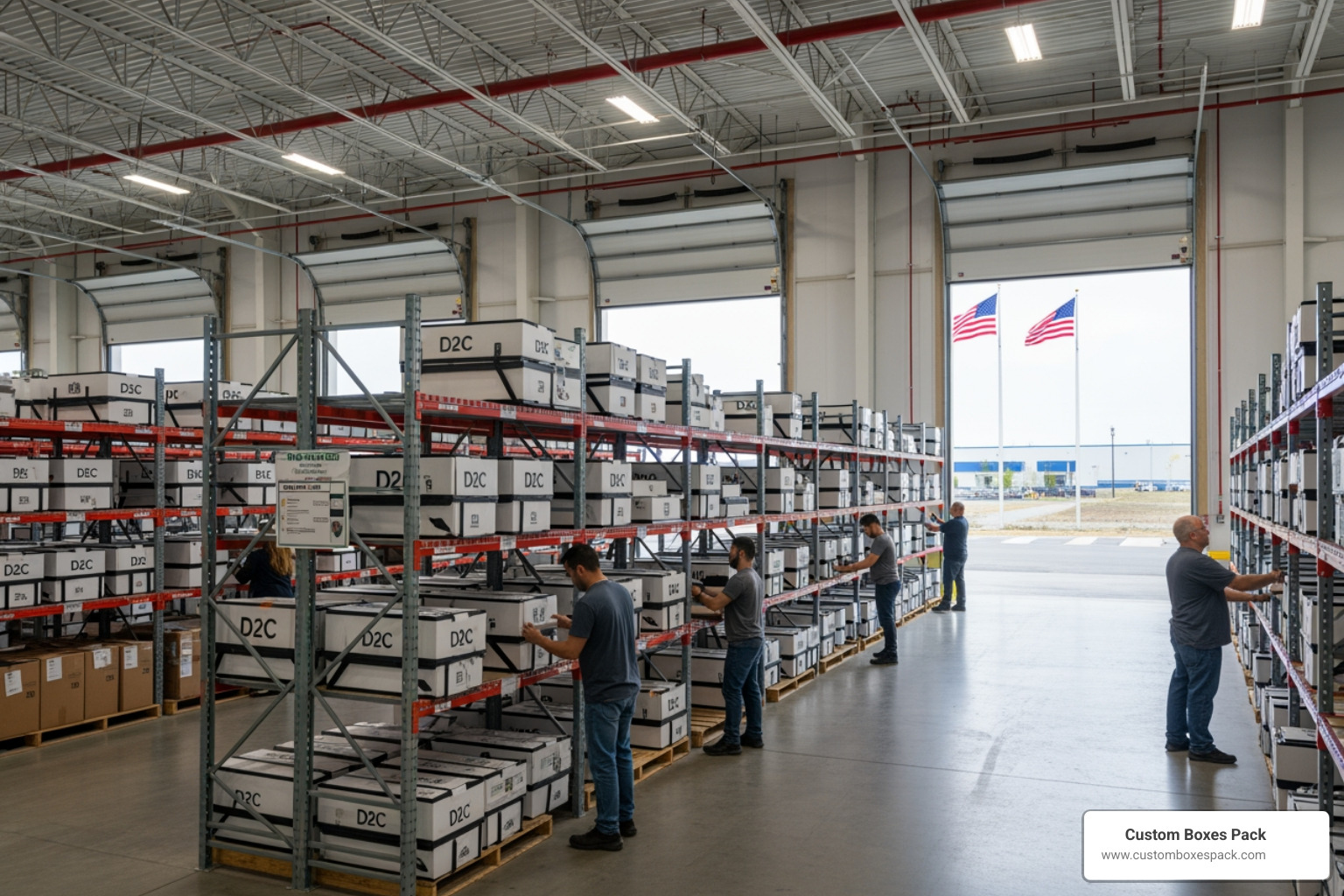
The Warehousing Crisis That Is Breaking US D2C Brands — And the Fix Nobody Talks About
How collapsible rigid packaging rescued US D2C brands from sky-high warehousing rents is one of the most important cost stories in e-commerce right now. Here is the short answer:
Collapsible rigid packaging saves D2C brands money by:
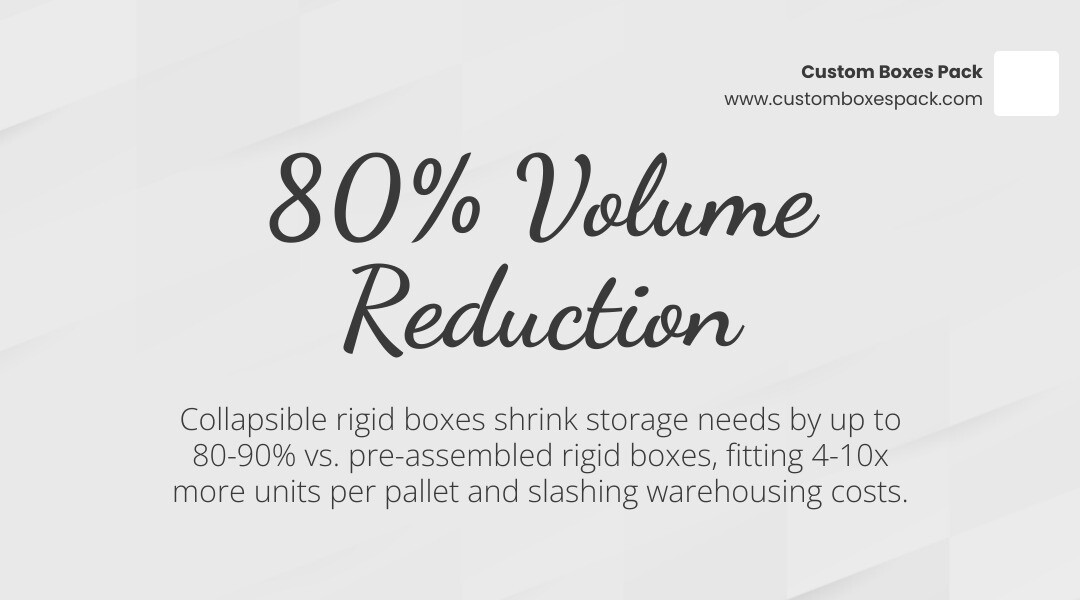
- Reducing storage volume by up to 80–90% compared to pre-assembled rigid boxes
- Fitting 4–10x more units per pallet or shipping container
- Cutting freight costs by 30–70%
- Lowering monthly warehousing spend by as much as 80% for the same unit count
- Maintaining a fully premium unboxing experience — customers cannot tell the difference
US warehousing rents have surged dramatically over the past few years, squeezing D2C brands on one of their biggest fixed costs. At the same time, e-commerce order volumes keep climbing. That combination is brutal for small and mid-sized brands paying per square foot to store bulky, pre-assembled rigid boxes — boxes that are, in large part, just empty air.
The good news? A smarter box design has quietly been solving this problem for brands in beauty, apparel, jewelry, and beyond.
I’m Adam John, a backlinking and packaging content expert who has spent years studying how smart packaging decisions directly impact brand margins and supply chain efficiency — including researching exactly how collapsible rigid packaging rescued US D2C brands from sky-high warehousing rents. In this op-ed, I’m pulling back the curtain on five things the packaging industry doesn’t always say out loud.
Explore more about How Collapsible Rigid Packaging Rescued US D2C Brands From Sky-High Warehousing Rents:
- Why Custom Boxes is the Premier Packaging Partner for Businesses
- Custom Packaging Boxes with Logo Wholesale
Secret #1: You Are Paying to Ship and Store “Empty Air”
It sounds like a joke, but for many US D2C brands, it’s a financial tragedy. When you order traditional rigid boxes, you aren’t just paying for the chipboard and the printing; you are paying to transport and house thousands of cubic feet of nothingness.
Carriers like UPS and FedEx use dimensional weight (DIM weight) pricing. This means they charge you based on the amount of space a package occupies in relation to its weight. Standard rigid boxes are the ultimate “DIM weight” offenders. Because they arrive pre-assembled, a shipment of 3,000 Custom Large Rigid Boxes might take up an entire dry van.
By contrast, collapsible rigid containers ship flat. According to recent data on the Demand for Collapsible Rigid Containers in USA, the logistics efficiency is staggering. You can fit 4 to 10 times more units per pallet layer. This drastically reduces your pallet footprint and eliminates the heavy freight penalties associated with shipping “air.”
Comparison: Storage Volume and Pallet Footprint
| Feature | Standard Rigid Box (3,000 Units) | Collapsible Rigid Box (3,000 Units) |
|---|---|---|
| Pallet Count | ~10 Pallets | ~2 Pallets |
| Storage Space Used | 100% | ~20% |
| Shipping Cost | $2,500+ | $750 – $1,500 |
| Monthly Storage Cost | $180/month | $36/month |
When we look at the numbers, the “secret” is clear: the real cost of a box isn’t the unit price—it’s the logistics of getting it to your door and keeping it there.
Secret #2: How Collapsible Rigid Packaging Rescued US D2C Brands From Sky-High Warehousing Rents
As of May 2026, the warehousing market in the US has reached a boiling point. Urban fulfillment centers, which are essential for the “next-day delivery” expectations of modern consumers, are charging record-high rates per square foot. For a D2C brand, every inch of shelf space must be profitable.
Storing 5,000 pre-assembled luxury boxes can take up a massive section of a warehouse. If those boxes sit for three months before being sold, the rent paid to store those empty boxes can actually exceed the profit margin of the product inside. This is how collapsible rigid packaging rescued US D2C brands from sky-high warehousing rents—it turned a massive overhead liability into a manageable, flat-packed asset.
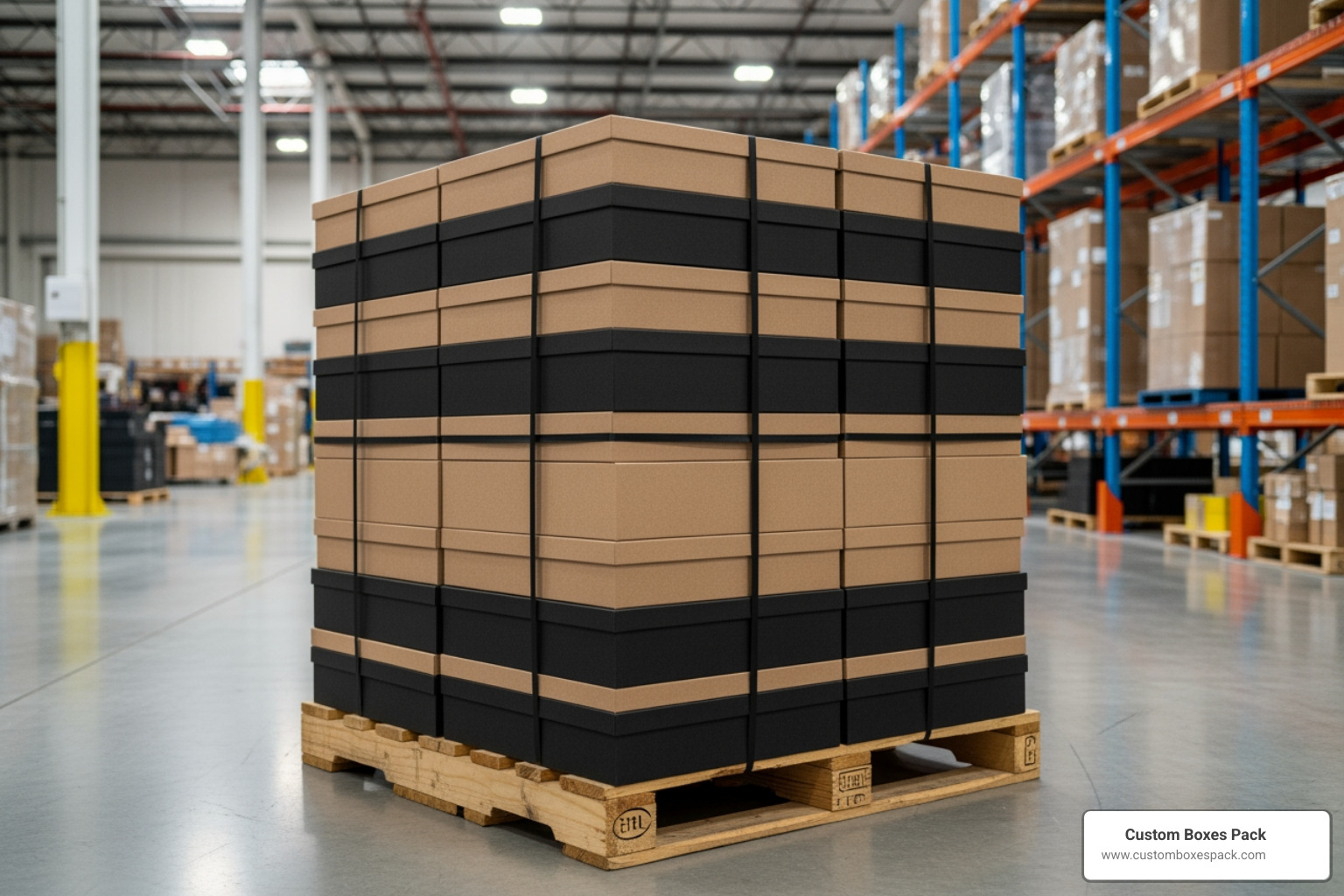
By switching to foldable designs, brands can Make Your Brand Top Notch With Rigid Packaging without needing a massive storage footprint. This allows brands to stay in high-demand urban fulfillment centers rather than moving to cheaper, remote locations that slow down shipping times.
The Financial Impact: How Collapsible Rigid Packaging Rescued US D2C Brands From Sky-High Warehousing Rents
The math is simple but brutal. If your warehouse rent is $18 per pallet and you’ve reduced your inventory from 10 pallets to 2, you’ve just saved $144 per month on a single SKU. Multiply that across a full product line, and you’re looking at thousands of dollars in annual savings.
As noted in The Price Points Blog by Omnia Retail, protecting margins in a high-cost environment requires looking at every “hidden” expense. By navigating to the right Category/Rigid Boxes, brands are finding that they can maintain their premium status while slashing their overhead.
Why How Collapsible Rigid Packaging Rescued US D2C Brands From Sky-High Warehousing Rents is a 2026 Necessity
With e-commerce saturation at an all-time high, logistics have become the new battlefield. During major events like Prime Day or the Q4 holiday rush, warehouse space becomes even more scarce and expensive. Luxury Rigid Boxes that can be stored flat allow brands to scale up their inventory for seasonal peaks without committing to expensive, long-term warehouse leases for “empty” space.
Secret #3: The “Premium Feel” is No Longer a Sacrifice
One of the biggest myths in the packaging world is that “foldable” means “flimsy.” In the past, if you wanted a box to fold, you had to use thin paperboard. Not anymore.
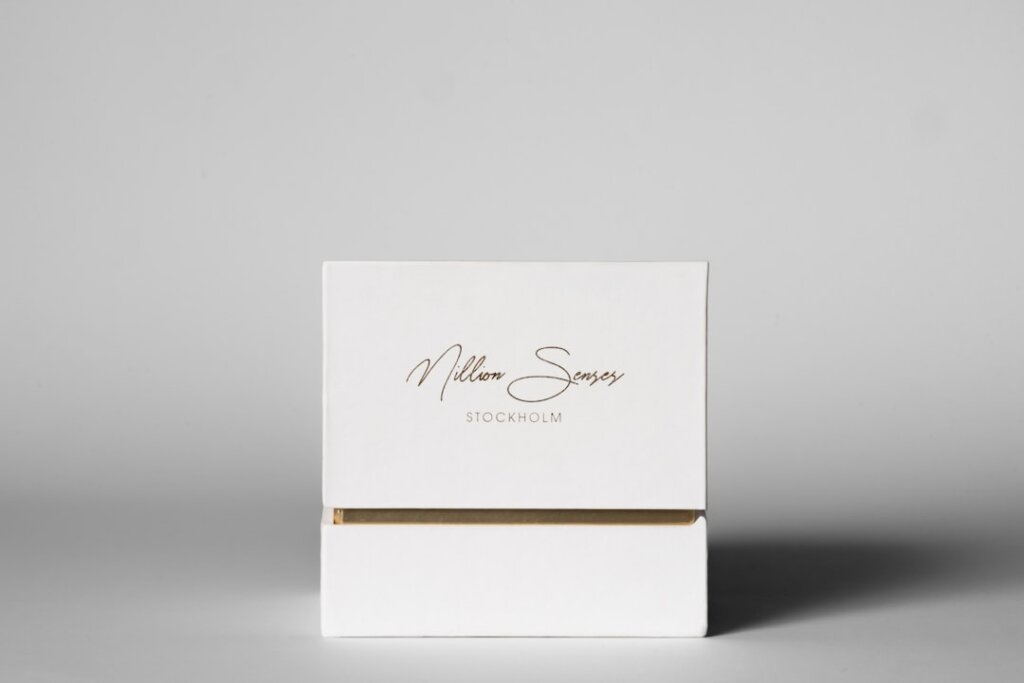
Modern collapsible boxes use V-groove technology. This involves precision-cutting the interior chipboard (usually between 1200gsm and 1800gsm) so that it folds perfectly while maintaining sharp, 90-degree corners when assembled. When you snap the magnetic closures shut, the box feels just as heavy, sturdy, and expensive as a traditional set-up box.
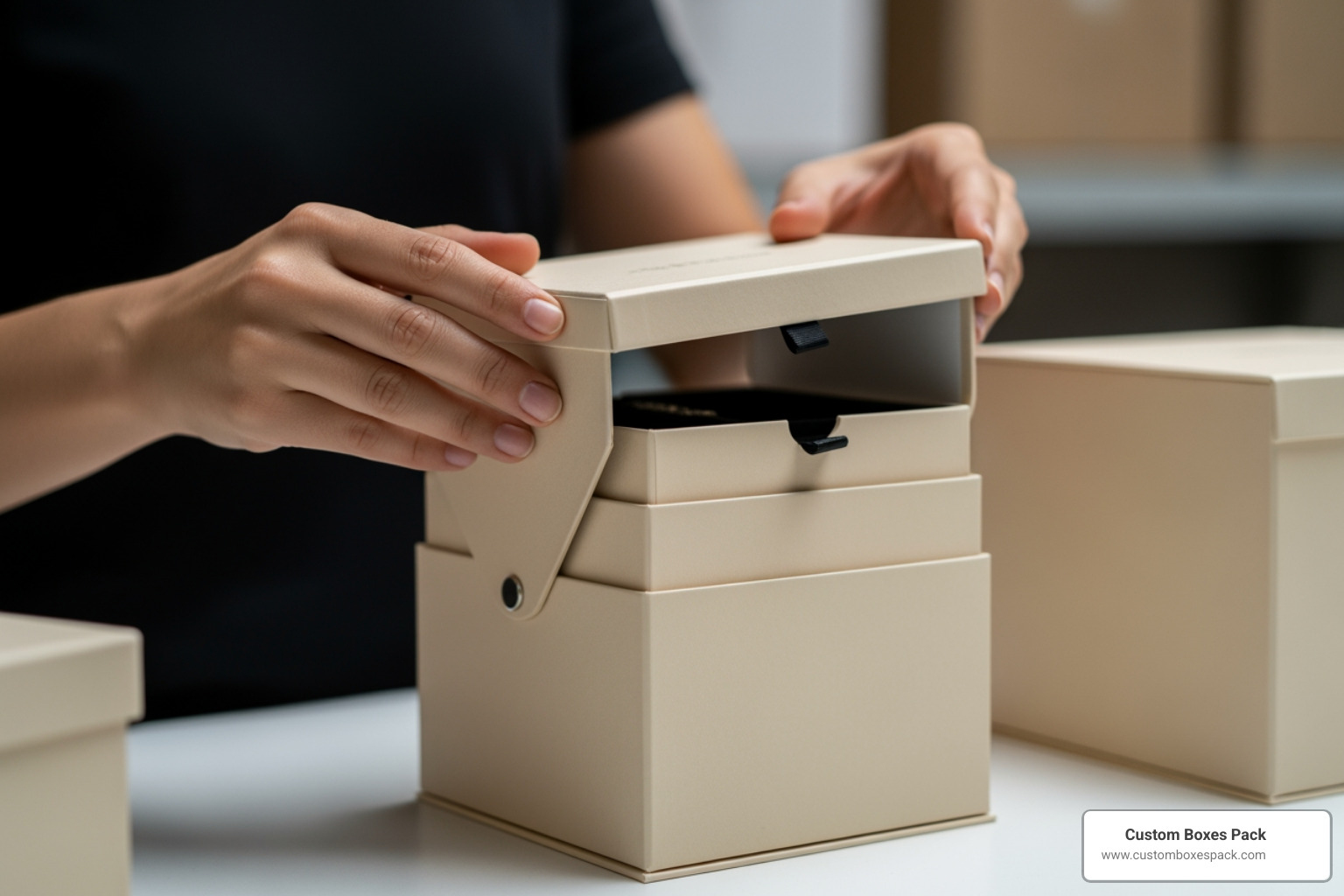
We often see brands in Our Portfolio/Rigid Boxes use these for high-end electronics and cosmetics. The “how” of the matter—as explored in the HOW Definition & Meaning – Merriam-Webster—is all in the engineering. By using hidden neodymium magnets and reinforced side panels, these boxes offer a “click” that signals quality to the customer. Whether you are using Custom Small Rigid Boxes for jewelry or larger kits, the unboxing experience remains a powerful tool for brand storytelling.
Secret #4: Sustainability is the Ultimate Logistics Hack
Sustainability isn’t just about using recycled materials; it’s about efficiency. When you fit 5 times more boxes in a single shipping container, you are effectively cutting the carbon footprint of that shipment by 80%.
Fewer trucks on the road and fewer containers on ships mean lower fuel emissions. For D2C brands, this is a double win: you get to claim eco-friendly status while also saving money. Most of our Collapsible Rigid Boxes are made from FSC-certified recycled chipboard, making them a top choice in the Category/By Industries/Rigid Boxes for environmentally conscious brands.
The linguistic evolution of “how”—as seen in how – Wiktionary—reminds us that we are always looking for the manner in which things are done. In 2026, the “how” of sustainable packaging is through volume reduction. By choosing recyclable, flat-packable materials, brands are meeting consumer demand for green practices while optimizing their bottom line.
Secret #5: The Assembly “Bottleneck” is a Myth
The final “secret” that traditional box manufacturers use to scare brands away from collapsible options is the “labor cost” of assembly. They claim it takes too long to put the boxes together.
In reality, most modern collapsible boxes feature pre-applied high-bond adhesive strips or “auto-lock” magnetic corners. A warehouse worker can assemble a box in about 5 to 10 seconds.
When you compare the 5 seconds of assembly time to the hours saved in unloading 8 fewer pallets from a truck and the thousands of dollars saved in rent, the “bottleneck” disappears. On-demand packaging allows fulfillment teams to assemble only what they need for that day’s orders, keeping the workspace clear and efficient. This is a key way to Make Your Brand Top Notch With Rigid Packaging without slowing down the fulfillment line.
Frequently Asked Questions about Collapsible Rigid Packaging
How does collapsible rigid packaging differ from standard folding cartons?
While both ship flat, the difference lies in the material. A standard folding carton is made of thin paperboard (like a cereal box). A collapsible rigid box is made of thick, high-density chipboard (1200-1800gsm) wrapped in premium paper. It provides the structural integrity and “heft” of luxury packaging that a folding carton simply cannot match.
Can collapsible boxes handle heavy D2C products like electronics?
Absolutely. Thanks to V-groove technology and reinforced corners, these boxes are incredibly strong. When assembled, the weight distribution is identical to a standard rigid box. We frequently design these with custom foam or molded pulp inserts to provide extra protection for delicate electronics or glass bottles.
What is the typical ROI when switching from traditional rigid boxes?
Most brands see a positive ROI within the first shipment. While the unit cost of a collapsible box can be 10–15% higher due to the complex V-groove cutting and magnet integration, the savings in freight (30–70%) and warehousing (up to 80%) far outweigh the per-unit increase. The total landed cost is almost always lower.
Conclusion
At Custom Boxes Pack, we’ve seen how collapsible rigid packaging rescued US D2C brands from sky-high warehousing rents. Our mission is to provide wholesale manufacturing solutions that don’t force you to choose between luxury and logic.
With our low MOQ of just 100 units, fully customizable sizes, and free design and shipping services within the USA, we make it easy for brands to transition to smarter, more efficient packaging. Whether you’re based in Trenton, NJ, or anywhere across the country, our eco-friendly, recyclable solutions are designed to protect your products and your margins.
Ready to stop paying for empty air? More info about custom boxes services is just a click away. Let us help you rescue your brand from skyrocketing overhead today.